
Trying to predict Formula 1
6 min read
Building an F1 prediction model with race data and 20,000 simulations, then testing its forecasts against the grid, Kalshi and Polymarket.
Formula 1Machine LearningPythonSports Analytics
Field notes from building, launching, and maintaining real software products.
Building an F1 prediction model with race data and 20,000 simulations, then testing its forecasts against the grid, Kalshi and Polymarket.

A simple ranking beat my neural model. A 2B assistant nearly matched its teacher. The experiments behind an explorer for 20 million FDA reports.

Building ate, the food-sticker journal that earned a Shipaton award: a useful extra scan, image-model guardrails and lessons from the launch.
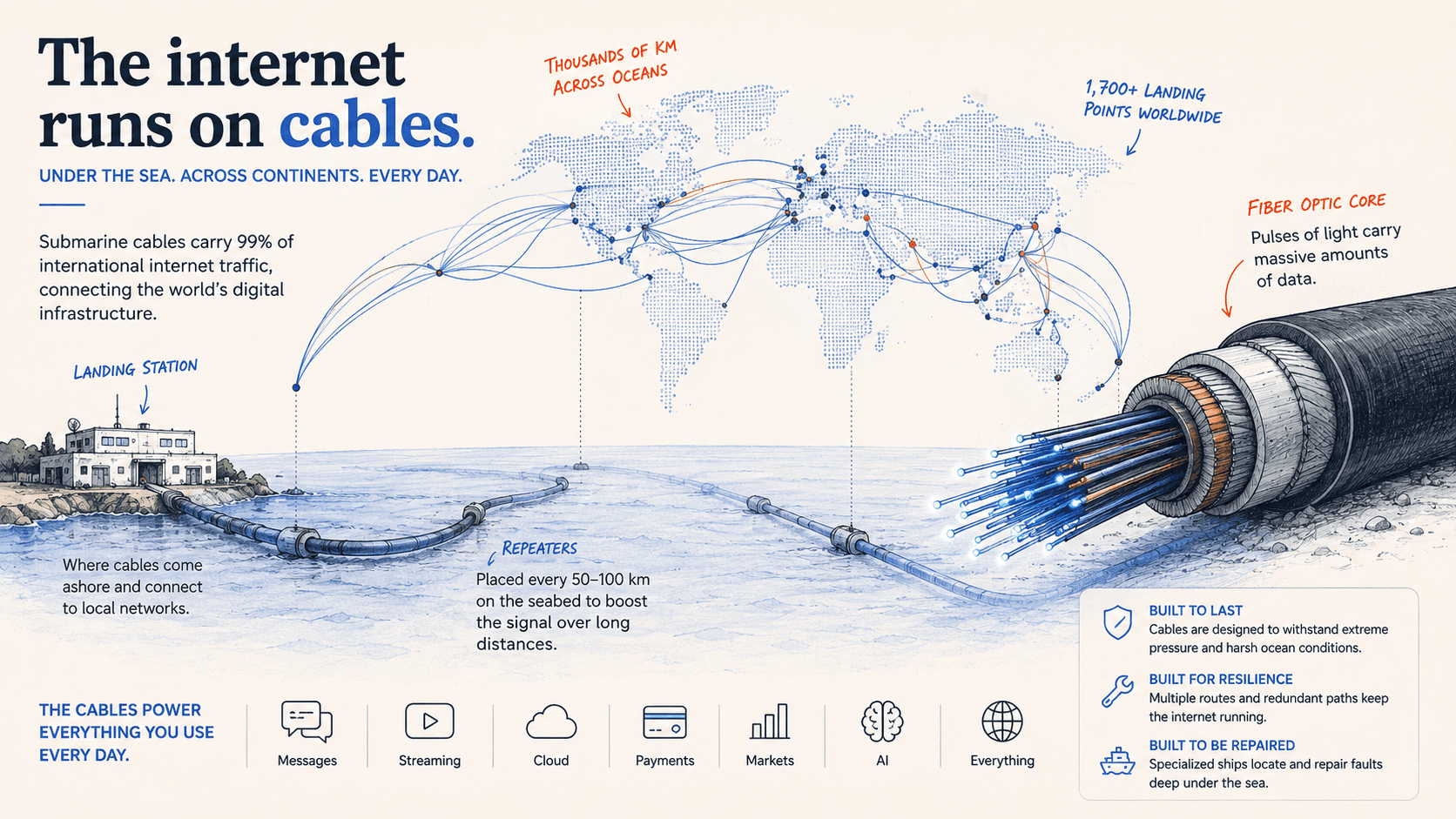
The modern internet feels wireless and weightless, but most global data still moves through fiber-optic cables laid across the ocean floor.
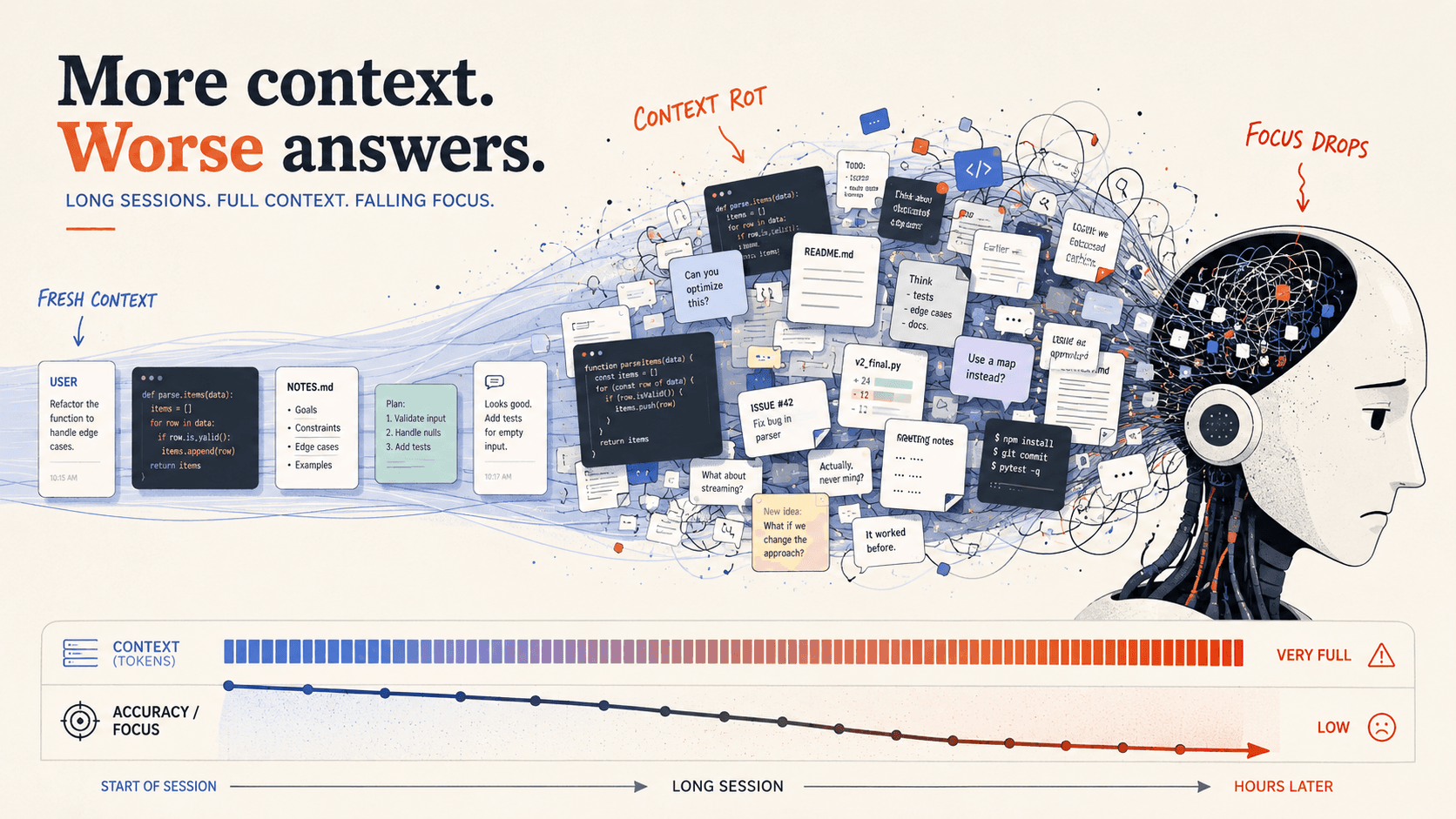
Long context windows are useful, but they do not guarantee better reasoning. Sometimes AI coding sessions fail because they contain too much stale information.
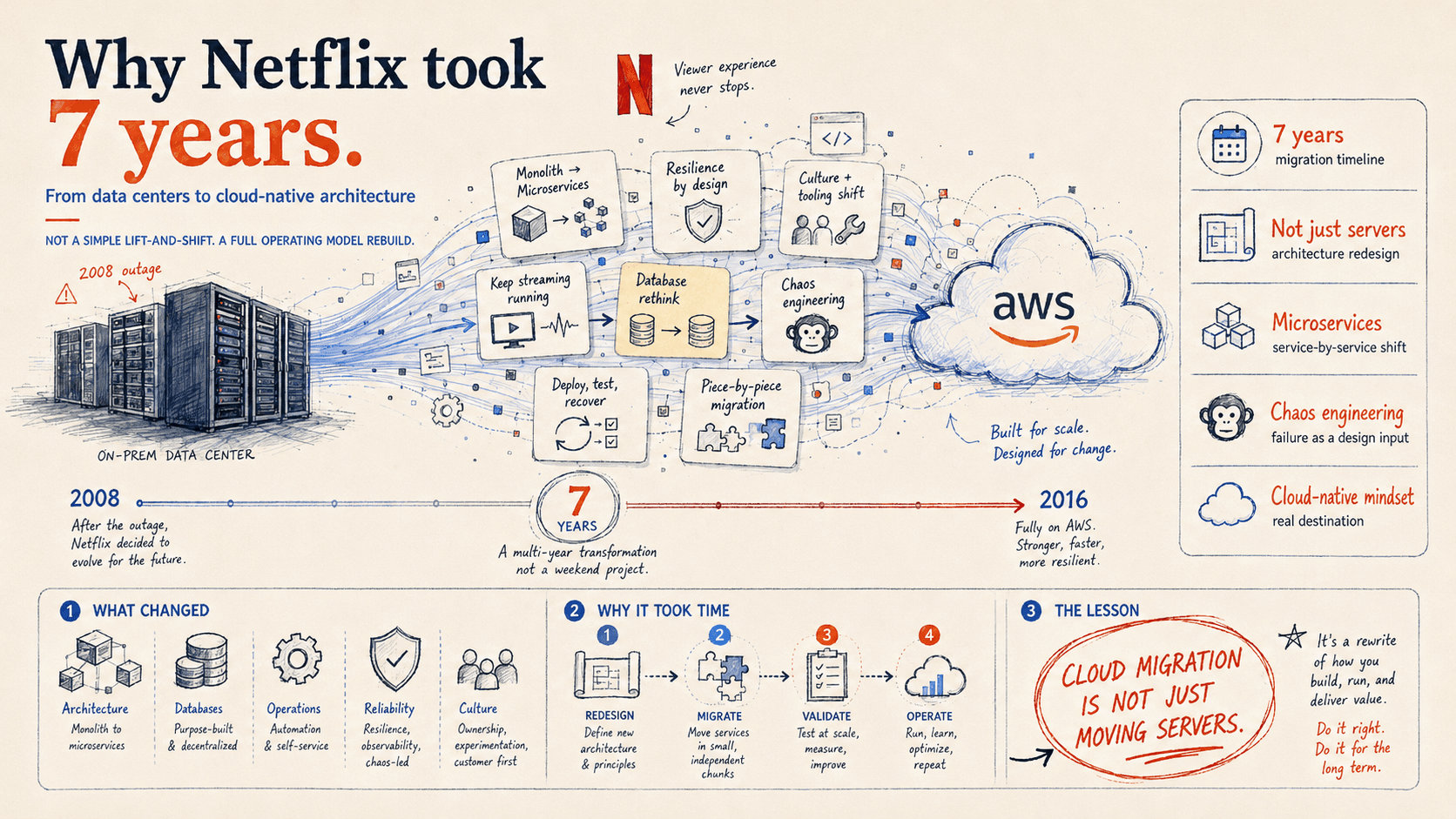
Netflix's AWS migration was not a simple lift and shift. It was a full rebuild of how the company designed, deployed, scaled, and recovered software.
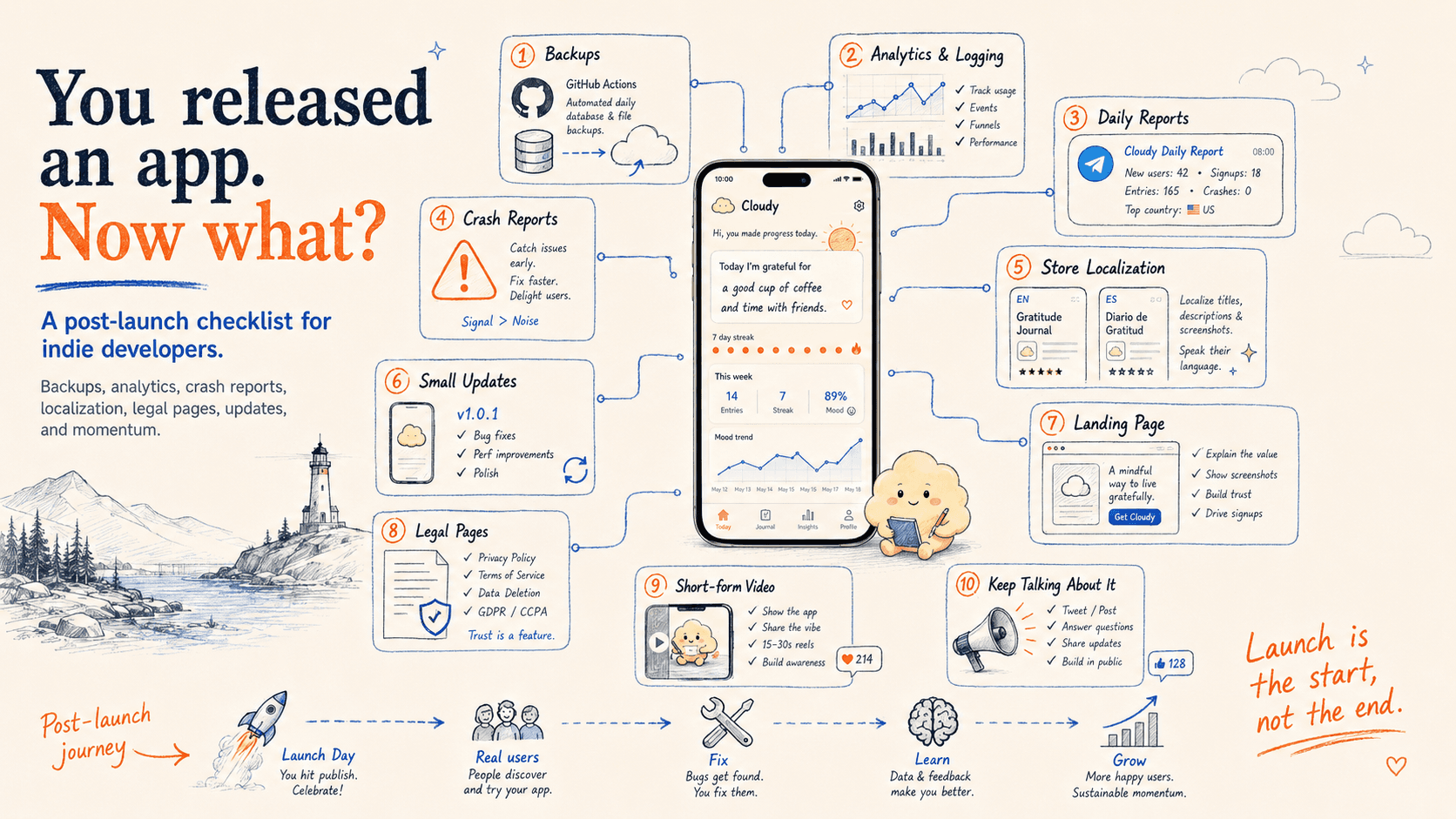
A structured 10-step post-launch checklist for indie developers: backups, analytics, crash reports, store localization, marketing, legal pages, and release momentum.